Clean, safe drinking water is non-negotiable. As a homeowner, finding the right water filtration systemcan feel overwhelming. From reverse osmosis to UV purifiers and carbon filters, there are countless options. This guide is written from a homeowner’s point of view to help you identify your needs and make a confident decision.
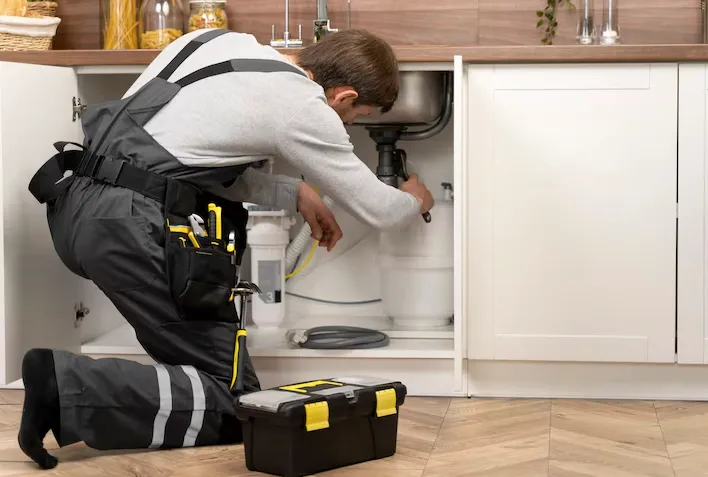
Whether you live in an urban area with treated city water or in a rural location using a private well, your filtration needs will vary. If you’re in Vaughan, where seasonal shifts and municipal water conditions vary, selecting the right system also includes understanding the role of local infrastructure. Often, homeowners need not only filtration support but reliable plumbing assistance from trusted providers like Vaughan plumbing services and a certified plumber in Vaughan.
With rising concerns about contaminants and water quality, investing in a system tailored to your home is one of the smartest decisions you can make.
Understanding Your Water Source and Needs
Municipal vs. Well Water: What’s the Difference?
Municipal water is generally treated for safety, but it may still carry chlorine, chloramines, or even trace metals due to aging pipes. Well water, on the other hand, is untreated and highly dependent on your local geography. It may contain heavy metals, sediment, or microbial contamination.
Understanding your water source is step one. For municipal users, a basic filtration system may be sufficient. For well water users, more comprehensive treatment may be necessary.
How to Test Your Home’s Water Quality
Water quality reports from your local municipality are a great start. These reports show levels of lead, chlorine, and other additives. However, for peace of mind, using a home water testing kit or sending samples to a lab provides specific data about what is in your water. This helps you choose a filtration system that addresses your exact needs.
Common Water Problems Homeowners Face
- Chlorine taste or smell in tap water
- Hard water scale on appliances and plumbing
- Discolored water with a metallic taste
- Sediment or particles visible in water
- Skin irritation or dryness after bathing
All of these signs suggest your home could benefit from a filtration solution tailored to your conditions.
Ready to Protect Your Water Quality?
Keep your RO system running like new, Schedule a Maintenance Check with Our Experts Today
Overview of Home Water Filtration Options
Point-of-Use vs. Whole-House Filtration
A point-of-use (POU) filter is installed at a specific tap, like in the kitchen or bathroom. These are ideal for cooking and drinking water. Whole-house systems are installed where water enters your home and treats all water, great for bathing, laundry, and appliance protection.
Consider a whole-house system if you have widespread issues like hard water or sediment. Go with POU if your concern is mainly safe drinking water.
Under-Sink, Countertop, and Faucet-Mounted Systems
- Under-sink systems are hidden, efficient, and ideal for long-term use.
- Countertop filters are renter-friendly and easy to install.
- Faucet-mounted filters are affordable and easy to switch between filtered and unfiltered modes.
Each has its pros and cons. Under-sink systems offer higher flow and greater filtration, while countertop and faucet-mounted systems are more convenient and portable.
If plumbing access is a concern, a plumber in Vaughan can help retrofit or advise on the best system layout based on existing connections.
Certification Labels to Look For (NSF/ANSI)
Don’t buy a system that isn’t certified. NSF/ANSI standards ensure the filter does what it promises. For example, NSF/ANSI Standard 53 is for filters that reduce health-related contaminants like lead.
Key Filtration Technologies
Reverse Osmosis (RO)
RO systems force water through a semipermeable membrane, removing contaminants down to the molecular level. These are ideal for families concerned about fluoride, arsenic, lead, and nitrates. Most RO systems have multiple filtration stages, making them highly effective.
Activated Carbon Filters
Activated carbon removes chlorine, VOCs, and unpleasant odors. It’s one of the most common technologies, especially in pitchers, faucet filters, and refrigerator lines. While it doesn’t remove minerals or heavy metals, it improves water taste significantly.
UV Water Purifiers
UV purification doesn’t filter out contaminants but kills bacteria, viruses, and protozoa. It’s especially useful for well water or homes prone to microbial contamination. Many homeowners combine UV with RO or carbon filtration for comprehensive protection.
Sediment Filters
These capture visible particles like sand, dirt, or rust. They’re often used as pre-filter for more advanced systems. If you have cloudy or gritty water, a sediment filter is a must. Sometimes, poor drainage systems or old plumbing can cause sediment intrusion—requiring both filtration and drain repair service.
Ceramic Filters
Ceramic filters trap bacteria and protozoa thanks to their small pore size. While they aren’t effective for chemical filtration, they’re excellent for biological contaminants and are often used in gravity-based systems.
Comparing Systems: Which One Fits Your Home?
Contaminant Removal Efficiency
No one system does it all. RO systems offer the most comprehensive removal, while carbon filters excel in improving taste. UV purifiers are excellent for killing pathogens but do not remove solids or chemicals. Think of your system as a toolbox—each part addresses a specific problem.
Maintenance & Filter Replacement
Every system requires some upkeep. RO systems often have 3–5 filters that require changing every 6–12 months. Carbon filters, especially in pitchers or faucet-mounted units, need replacing every 2–3 months. UV lamps need replacing once a year.
Water Pressure and Flow Rate Considerations
Some filtration systems, especially RO, reduce water flow. Ensure you choose a system designed for your household size. A family of four needs a different setup than a single household.
Installation Considerations
DIY vs. Professional Installation
Under-sink and countertop systems can usually be installed with basic tools. Whole-house systems are complex and may require cutting into your main water supply line. Hiring a professional ensures proper setup and avoids potential damage or warranty voids.
If you’re ever dealing with leaks or clogs during installation, contacting a drain cleaning Vaughan expertcan help address issues without delays.
Space Requirements and Compatibility
Make sure you measure available space before buying a unit. Under-sink systems need room for filters and tanks. Whole-house systems require access to your main water line and nearby power sources.
Maintenance and Longevity
Filter Change Frequency
Following the manufacturer’s recommended schedule keeps your system working efficiently. Using expired filters can lead to water contamination and reduced flow.
Sanitization Tips
Even filters that remove bacteria can develop bacterial growth over time. Flush your system and clean fittings with food-grade hydrogen peroxide or white vinegar yearly.
Performance Monitoring Tips
TDS meters, flow sensors, and smart home integrations can notify you when your system’s efficiency drops. Monitoring tools help you maintain quality without any guesswork.
Step-by-Step Buying Guide
Assess Your Water Source
Use your municipality’s water quality report or a home test kit. Identify whether your main concern is taste, hardness, or contaminants.
Identify Household Needs
Think about your lifestyle. Do you cook often? Is clean bath water important to you? Do you have infants or elderly people who need extra water safety?
Evaluate Filter Types
Match your water issues with compatible technology. Have bacteria? Use UV. Have chlorine? Use carbon. Want everything to filter? Go with RO.
Plan for Maintenance
Don’t just buy the system. Commit to taking care of it. Choose a system with filters that are easy to access and clearly labeled.
If filter maintenance ever reveals broader issues, such as slow drainage or odors, reach out to a local drain cleaning service or book a professional for drain repairs.
Conclusion
Choosing a home water filtration system doesn’t have to be confusing. By understanding your water quality, knowing your household’s needs, and evaluating technology options, you can make an informed decision. The right system brings peace of mind, protects your appliances, and most importantly—keeps your family healthy.
Whether you’re dealing with taste issues, plumbing upgrades, or ongoing drain repairs, having access to trusted emergency plumbing service can make your water system more efficient and your home more comfortable.
Investing in water filtration is more than just a healthy decision; it’s a lifestyle choice that pays off for years to come.
There's more to explore
You may be interested in these plumbing articles and news.