Understanding home plumbing system basics is essential for every homeowner. Your plumbing network delivers clean water, removes wastewater, and maintains hygiene throughout your home. From pipe layout to water supply lines, drainage systems, and shut-off valves, knowing the fundamentals empowers homeowners to troubleshoot minor issues, schedule maintenance, and work effectively with professional services such as Vaughan plumbing services. Proper plumbing knowledge prevents costly repairs, water damage, and disruption to daily life. Additionally, awareness of plumbing basics helps homeowners make informed decisions about upgrades, water conservation, and home improvements, ensuring long-term safety and efficiency.
Overview of a Home Plumbing System
A residential plumbing system consists of three primary components: water supply, drainage, and fixtures. Each part works in coordination to ensure smooth operation. Understanding the structure and functionality of your home plumbing system is vital, especially for identifying potential issues before they escalate into expensive problems. Regular monitoring and familiarity with how your system works give homeowners confidence in addressing minor issues or communicating effectively with professional plumbers.
Water Supply Lines
These pipes bring fresh water from municipal sources or wells into your home. Typically made of copper, PEX, or CPVC, supply lines branch out to faucets, showers, appliances, and irrigation systems. Understanding your pipe layout helps identify leaks, manage water pressure, and plan upgrades. Regular inspection of water supply lines ensures consistent water flow, minimizes the risk of burst pipes, and prevents contamination. Homeowners should also be aware of the signs of corrosion or pressure fluctuations, which often indicate underlying issues in the water supply lines.
Drainage System
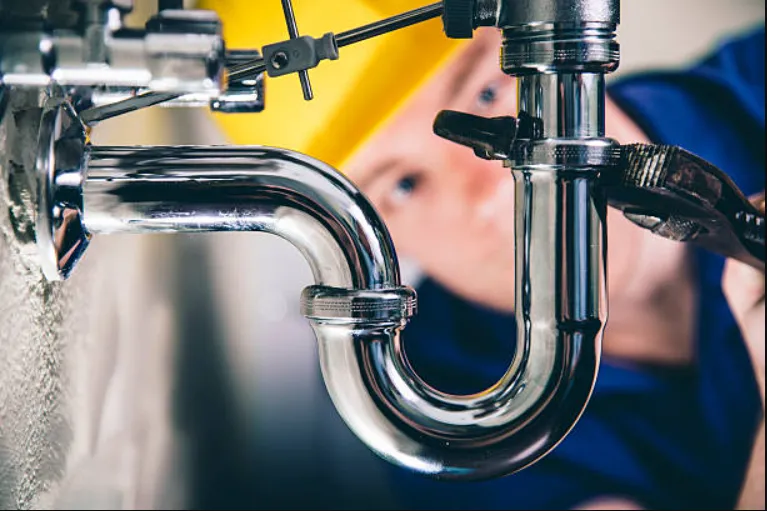
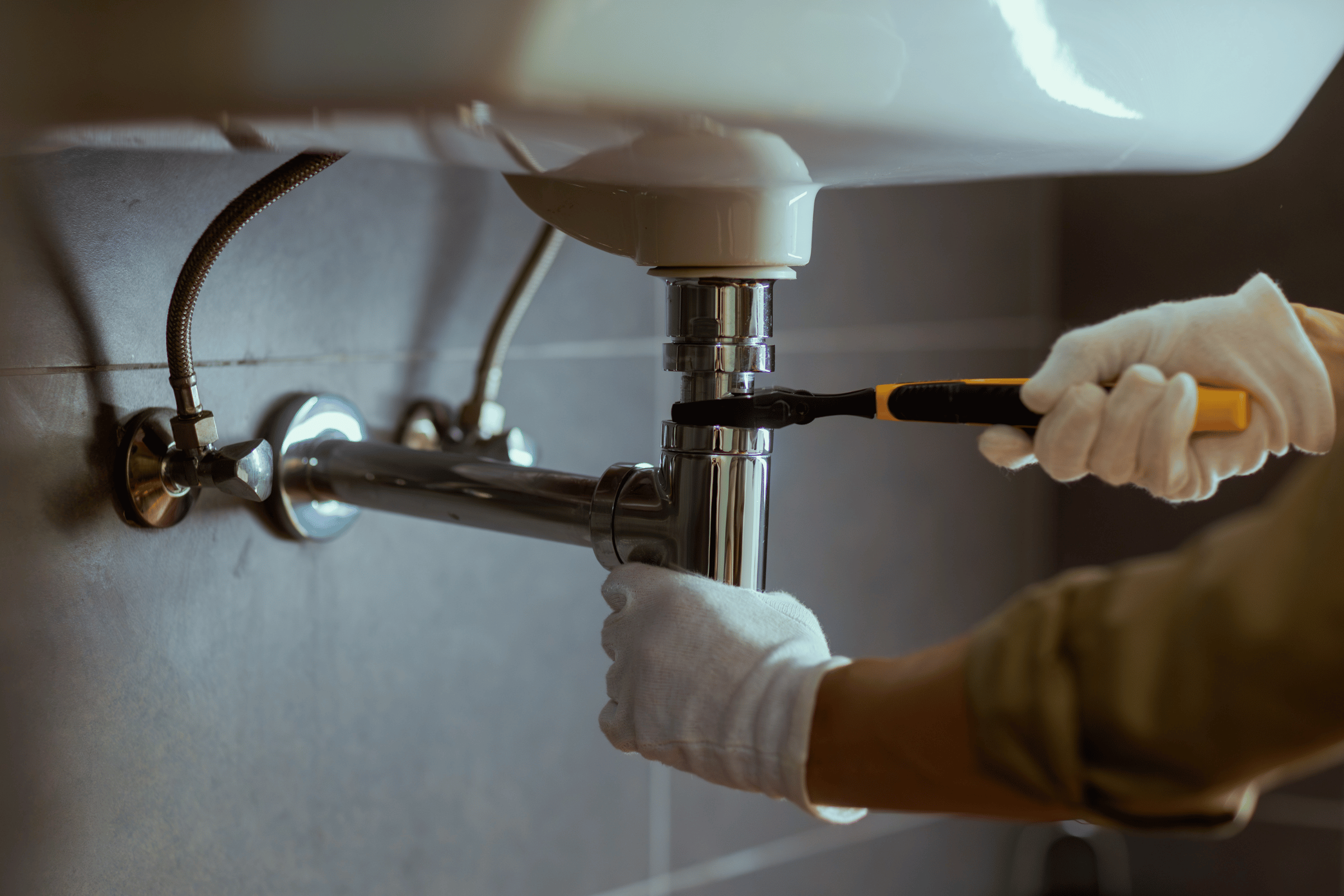
The drainage system carries wastewater away through drainpipes connected to your home sewer or septic system. Proper slope, venting, and trap installation prevent clogs and sewer gas from entering your home. Routine maintenance, such as drain cleaning and drain line cleaning, is crucial to avoid backups and costly repairs. Homeowners should avoid disposing of grease, oils, or large food particles down drains to maintain clear pipes. Furthermore, paying attention to slow-draining sinks, unusual odors, or gurgling sounds can help detect early signs of blockages.
Shut-Off Valves
Main shut-off valves control water flow to the entire house. Individual fixture valves allow isolation of specific areas for repairs without disrupting the whole system. Testing these valves periodically ensures they function correctly in emergencies, preventing unnecessary water damage and repair costs. Knowing the exact location of these valves and labeling them clearly is essential for quick access during an emergency, such as a sudden pipe burst or a major leak.
Common Materials in Home Plumbing
Understanding the materials used in pipes and fittings helps homeowners troubleshoot and replace components efficiently.
- Copper: Durable, corrosion-resistant, and commonly used in older homes. Copper pipes can last decades if properly maintained.
- PEX: Flexible and easy to install, PEX is becoming increasingly popular with water supply lines due to its resilience and low cost.
- PVC & CPVC: Affordable, lightweight, and primarily used for drainage and water lines. They resist chemical corrosion and are easy to cut and join.
- Galvanized Steel: Rare in modern homes, these pipes are prone to rust and clogging over time. Replacement may be necessary for older properties.
Familiarity with these materials ensures compatibility during repairs or replacements, helping homeowners make informed choices when hiring professional services.
Pipe Layout and Planning
A typical home has a branching network of pipes. Supply lines run through walls or under floors, connecting to fixtures, while drainpipes collect wastewater and guide it downward. Proper planning considers water pressure, efficient routing, and accessibility for future repairs. Understanding your pipe layout allows homeowners to respond quickly to leaks, optimize water flow, and make informed decisions about upgrades or modifications. In addition, planning ensures that any renovations or additions do not interfere with the plumbing system, preventing costly mistakes.
Maintenance Tips for Homeowners
Regular maintenance keeps plumbing systems functional and prevents emergencies.
- Schedule routine drain cleaning to prevent clogs and maintain smooth drainage.
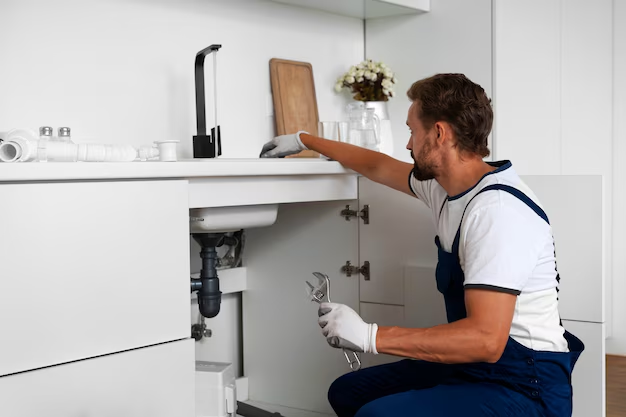
- Inspect for leaks under sinks, toilets, and appliances to prevent water damage.
- Test shut-off valves twice a year to ensure they are operational.
- Clean faucet aerators to maintain water flow and efficiency.
- Conduct sewer camera inspections for underground pipe evaluation.
Consistent maintenance reduces wear and tear, improves water efficiency, and ensures long-lasting plumbing performance. Educating yourself on maintenance schedules and signs of plumbing problems saves both time and money in the long run.
Emergency Preparedness
Unexpected plumbing issues can cause significant damage. Knowing your system helps homeowners act quickly while waiting for professional help.
- Keep the main shut-off valve accessible for emergencies.
- Know the location of appliance-specific valves for rapid isolation.
- Maintain a list of local plumbing service providers.
- Contact emergency plumber Vaughan for severe leaks, burst pipes, or sewer backups.
Preparedness minimizes damage and ensures rapid resolution during plumbing emergencies. Homeowners should also consider having basic tools on hand, such as a pipe wrench, plunger, and plumber’s tape, for immediate minor fixes.
Upgrades and Repairs
Plumbing upgrades improve efficiency, safety, and performance. Consider:
- Replacing old, galvanized pipes with copper or PEX for reliability.
- Installing low-flow fixtures to conserve water and reduce utility bills.
- Upgrading water heaters for energy efficiency and consistent hot water.
- Promptly repairing leaks to prevent mold growth, water damage, and structural issues.
While minor repairs can be handled by homeowners, major replacements require professional assistance to ensure safety, compliance with plumbing codes, and long-lasting results. Proper upgrades can also increase property value and enhance overall home efficiency.
Drainage and Water Quality
Preventing drain backups protects both your home and the municipal sewer system. Strainers on sinks, avoiding disposal of grease, and proper venting all contribute to system health. Installing the right water filtration system for your home ensures safe drinking water, protects appliances, and enhances long-term plumbing performance. Additionally, monitoring water quality for sediment, discoloration, or odor helps identify potential issues early, such as corroded pipes or contamination in the water supply.
Plumbing Inspections
Routine inspections help detect problems early. Homeowners should:
- Check for corrosion, leaks, and weak fittings.
- Inspect water heaters and pressure regulators for signs of wear.
- Evaluate drainage slope and venting.
- Conduct sewer camera inspections for hidden underground issues.
Regular plumbing inspections prevent costly repairs and maintain a safe and efficient plumbing system. By scheduling annual inspections with professionals, homeowners gain peace of mind and can plan repairs proactively, reducing emergency costs.
Collaborating With Professionals
While basic knowledge is vital, professional guidance ensures proper care. Certified plumbers can handle:
- Major pipe replacements or re-routing.
- Emergency plumbing issues requiring immediate attention.
- Routine maintenance with local plumbing service providers.
- Installation of advanced filtration and water management systems.
Partnering with professionals ensures work is safe, up to code, and long-lasting, while providing homeowners with expert advice and recommendations tailored to their specific plumbing system.
Conclusion
Mastering home plumbing system basics empowers homeowners to protect their property, save money, and respond effectively to emergencies. From understanding pipe layouts, water supply lines, and drainage systems to performing routine maintenance and inspections, proactive care ensures a functional, efficient, and safe plumbing system. Professional plumbers provide expertise for complex tasks, offering peace of mind and ensuring that your home’s plumbing performs optimally for years. Knowledge, regular maintenance, and collaboration with professionals are the keys to a reliable home plumbing system. For expert guidance or assistance, contact our certified plumbing team today to ensure your home’s plumbing stays in top shape.
There's more to explore
You may be interested in these plumbing articles and news.