Water is an essential element of life, and ensuring access to clean and pure water is a crucial consideration for any community. In recent years, the residents of Vaughan have shown a growing interest in installing reverse osmosis systems to guarantee the quality of their drinking water. This article aims to provide a comprehensive cost analysis of setting up such systems in Vaughan while offering valuable insights into the maintenance tips for long-lasting reverse osmosis systems.
Understanding the Importance of Clean Water in Vaughan
Why Clean Drinking Water Matters
Access to clean, safe, and great-tasting drinking water is crucial for maintaining health. According to Health Canada, contaminants in drinking water can pose serious health risks, including gastrointestinal illnesses, reproductive problems, and neurological disorders.
In Vaughan, municipal water supply meets the Ontario Drinking Water Quality Standards. However, residents prefer additional purification methods like reverse osmosis systems to further improve taste and eliminate trace contaminants such as lead, chlorine, and volatile organic compounds (VOCs).
What Is a Reverse Osmosis System?
A Brief Overview
Reverse osmosis is an advanced water purification process that uses a semi-permeable membrane to remove impurities from water. It effectively filters out:
- Heavy metals (lead, arsenic, mercury)
- Chlorine and chloramine
- Pesticides and herbicides
- Nitrates and sulfates
- Microbial contaminants
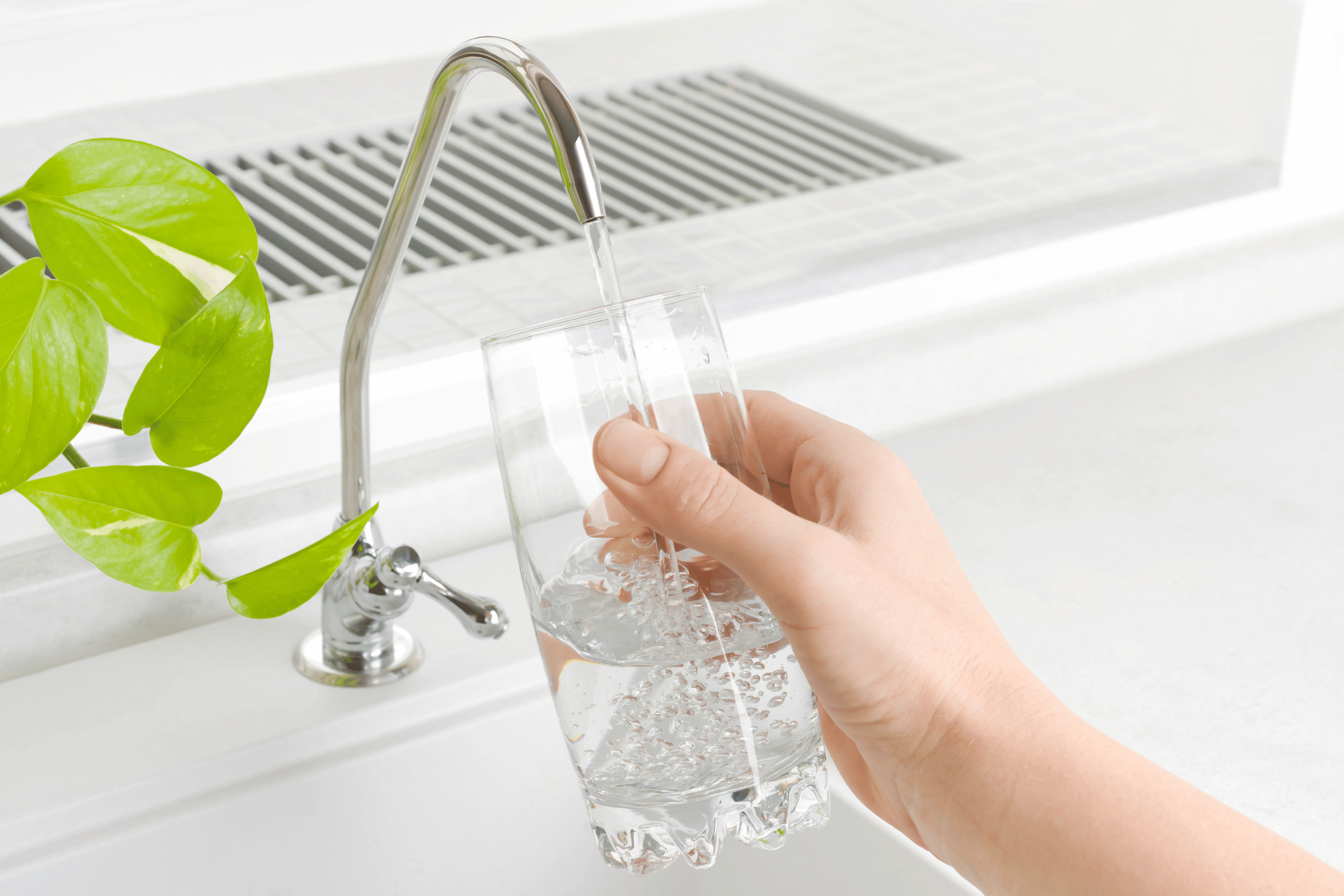
This process ensures cleaner, better-tasting, and healthier water straight from your kitchen tap.
Cost Analysis of Reverse Osmosis Systems in Vaughan
When considering the installation of a reverse osmosis system in Vaughan, homeowners should evaluate multiple cost factors to make an informed decision.
Initial Setup Costs
1. Cost of Purchasing a Reverse Osmosis System
The market offers a variety of reverse osmosis systems, from basic under-sink models to advanced multi-stage filtration systems.
Type of RO SystemPrice Range (CAD)Basic 3-Stage Under-Sink RO$300 – $4504-Stage or 5-Stage RO Systems$450 – $700Tankless RO Systems$800 – $1,200Whole House RO Systems$2,500 – $7,000
Higher-end models may offer UV filters, remineralization stages, and smart sensors for added convenience.
Professional Installation vs. DIY Installation
2. Should You Hire a Professional?
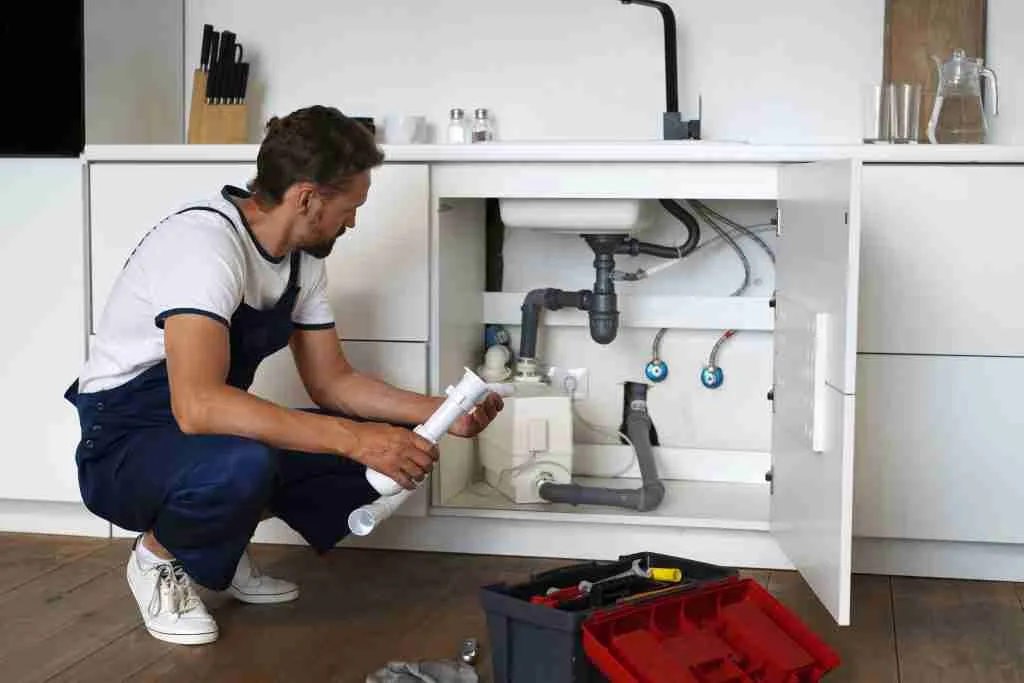
While installing a reverse osmosis system yourself may seem cost-effective, it comes with risks. Improper installation can lead to:
- Water leaks
- Reduced filtration efficiency
- System malfunctions
Average Professional Installation Costs in Vaughan:
- Under-Sink RO System: $150 – $300
- Whole House RO System: $500 – $1,000
Professional services usually include system testing and warranty on workmanship, making it a safer choice.
Pro Tip: Many Vaughan plumbing companies are accredited under the Ontario College of Trades, ensuring regulated and quality services.
Ongoing Maintenance Costs
3. Yearly Maintenance Budgeting
A key component of owning an RO system is regular maintenance to ensure optimal performance.
Maintenance ComponentReplacement FrequencyAnnual Cost (CAD)Sediment FilterEvery 6–12 months$20 – $50Carbon Pre-FiltersEvery 6–12 months$40 – $70RO MembraneEvery 2–3 years$80 – $150Post Carbon FilterAnnually$20 – $40SanitizationAnnually$30 – $50Total Annual Cost Estimate$100 – $250
Note: Annual costs can vary depending on water quality and system usage.
Maintenance Tips for Long-Lasting Reverse Osmosis Systems
A well-maintained RO system can last 10–15 years. Here’s how to ensure longevity and performance.
1. Regular Filter Replacements
Filters should be replaced based on the manufacturer’s guidelines. Ignoring replacements leads to clogging, poor water quality, and reduced lifespan of the RO membrane.
2. Proper Sanitization Practices
Sanitize your RO system at least once a year:
- Use food-grade hydrogen peroxide or RO-specific sanitizers.
- Clean storage tanks, pipes, and faucets to prevent bacterial growth.
Always consult your manufacturer’s manual before sanitizing to avoid voiding warranties.
3. Monitor Water Pressure Levels
The optimal incoming water pressure for RO systems is 40–80 psi.
- Low pressure (<40 psi) reduces filtration efficiency.
- High pressure (>80 psi) can rupture membranes.
Install a pressure regulator or booster pump if necessary.
4. Schedule Annual Professional Inspections
An annual check-up by a certified technician can:
- Detect leaks
- Assess membrane performance
- Inspect fittings and valves
This ensures your system runs smoothly and efficiently.
Advantages of Installing Reverse Osmosis Systems in Vaughan
BenefitDescriptionHealthier WaterRemoves harmful contaminantsCost SavingsSaves money on bottled waterEco-FriendlyReduces plastic bottle wasteBetter TasteEliminates chlorine and sulfur odorsConvenienceFresh drinking water directly from the tap
FAQs About Reverse Osmosis Systems in Vaughan
1. How much does it cost to install a reverse osmosis system in Vaughan?
The total cost of installing a standard under-sink RO system ranges from $450 to $1,000, including professional installation. Whole house systems can cost $2,500–$7,000.
2. How often should I change filters in my reverse osmosis system?
Most pre-filters and post-filters should be replaced every 6–12 months, while the RO membrane should be replaced every 2–3 years.
3. Is reverse osmosis water safe to drink daily?
Yes, reverse osmosis water is safe and preferred by many households because it effectively removes harmful contaminants without adding chemicals.
4. Do I need a plumber to install a reverse osmosis system?
For best results and to ensure compliance with Vaughan’s plumbing codes, it is advisable to hire a licensed plumber, especially for whole-house installations.
5. Does a reverse osmosis system remove fluoride?
Yes, reverse osmosis is one of the most effective methods for removing fluoride from drinking water.
6. Can a reverse osmosis system increase my water bill?
RO systems use water during the filtration process, but the impact on your water bill is typically minimal for household systems.
7. Are reverse osmosis systems environmentally friendly?
Yes, by reducing the need for bottled water, RO systems help cut down plastic waste. Some modern systems also come with water-saving feat
Conclusion
Investing in a reverse osmosis system in Vaughan is a proactive decision to secure high-quality drinking water for your household. While there are upfront costs, the benefits — including better health, taste, and savings — significantly outweigh the investment.
By following regular maintenance practices and staying informed about your system’s health, you can enjoy safe, clean, and refreshing water for years to come.
For more official guidance, consult these resources:
There's more to explore
You may be interested in these plumbing articles and news.